Mandala Design Graphics for Branding and Marketing
First Impressions: A Visual Mood Set
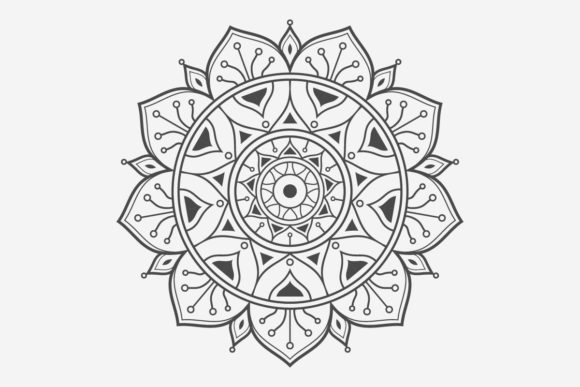
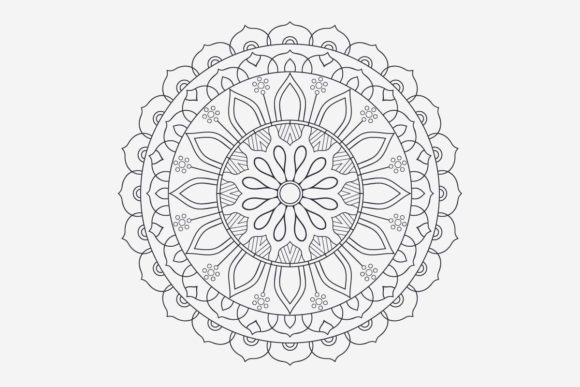
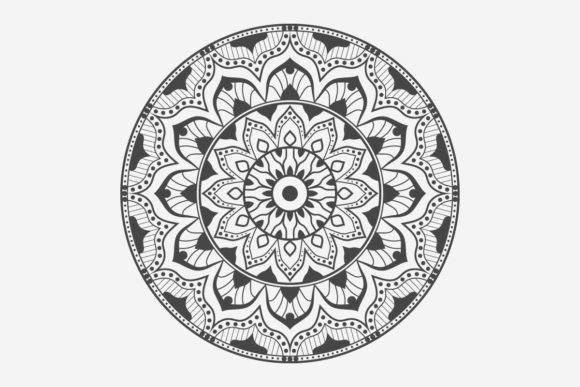
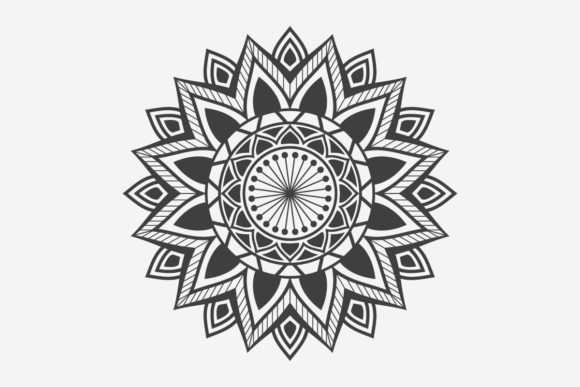
The first glance at Mandala Design immediately evokes a sense of calm and intricate beauty. The design is rich in detail, with symmetrical patterns that suggest balance and harmony. This visual mood can be incredibly powerful for branding projects aiming to create a serene or spiritual tone. It's particularly well-suited for lifestyle brands, wellness-focused businesses, or those targeting a more artistic and creative audience.
Emotional Tone and Audience Perception
Mandala Design brings an emotional tone that is both soothing and engaging. Its intricate patterns are ideal for attracting attention without overwhelming the viewer. For small business owners and content creators, this asset can help build trust and familiarity with your brand. The design is versatile enough to appeal to a wide range of audiences, from casual users looking for printable designs to professionals needing high-quality graphics for marketing materials.
Marketing Use Cases: From Social Media to Packaging
Mandala Design is a versatile graphic design asset that can support multiple marketing use cases. It works exceptionally well as social media graphics, especially for Instagram and Pinterest. Its intricate nature makes it perfect for hero graphics, campaign headers, and branded templates. When used on product labels, packaging design, or gift vouchers, it adds a touch of elegance and creativity that aligns with modern design trends.
For digital ads and web design, Mandala Design can serve as a decorative element that enhances the overall aesthetic without overpowering the main message. It also performs well in editorial design, where its intricate patterns can add visual interest to blog graphics or website headers. In content marketing, it supports visual hierarchy by drawing the eye to key elements while maintaining a cohesive brand identity.
Supporting Marketing Goals with Visual Consistency
One of the strengths of Mandala Design is its ability to support stronger first impressions and clearer visual hierarchy. When integrated into a brand’s visual strategy, it helps create a consistent look across all marketing channels. This consistency builds audience trust and recognition, which is crucial for small business branding and commercial design projects.
Additionally, Mandala Design contributes to better product presentation and improved engagement. Whether used in print or digital formats, it ensures that your brand looks professional and memorable. By pairing it with the right typography and color palette, you can create a cohesive brand identity that resonates with your target audience.
Where Mandala Design Works Best
- Hero Graphics: Mandala Design shines as a background or overlay for hero sections on websites or landing pages.
- Campaign Headers: Its intricate patterns make it ideal for campaign headers and promotional banners.
- Branded Templates: It can be easily incorporated into Canva templates, social media graphics, and content kits.
- Product Launch Visuals: Used as a backdrop or accent, it elevates the visual appeal of product launches.
- Social Media Covers: It adds a unique flair to social media covers and profile images.
- Content Bundles: It can be part of a larger design bundle that includes other assets like SVG or PNG files.
- Editorial Layouts: It complements editorial design by adding depth and visual interest.
- Decorative Brand Elements: It serves as a great decorative element for merchandise, stickers, and packaging accents.
Where to Use with Caution
While Mandala Design is highly versatile, there are situations where it may not perform optimally. It should be used carefully in formal corporate branding contexts, where a more minimal or structured approach might be more appropriate. In dense information layouts, such as infographics or data-heavy reports, it could compete with the main message and reduce readability.
On small mobile graphics, Mandala Design may appear too busy or cluttered. It’s important to test how it looks on smaller screens and ensure that the key message remains clear. Additionally, when paired with overly minimal brands or text-heavy ads, it can create visual imbalance. Always check contrast and spacing to maintain visual balance and clarity.
Practical Brand Designer Notes
As a brand designer, I recommend testing Mandala Design with your brand color palette to ensure it aligns with your overall visual identity. Check how it looks in black and white to confirm its versatility across different mediums. Place it inside real campaign mockups to see how it integrates with other design elements.
Preview it on mobile screens to ensure it scales well and maintains its visual impact. Test readability in small sizes, especially for product labels and email banners. Compare it against competitor visuals to gauge its market relevance. Check how it pairs with different font styles, including serif, sans serif, script, and handwritten fonts.
Review spacing and balance to ensure it doesn’t overwhelm surrounding content. Confirm commercial licensing before using it in paid campaigns, client work, or business branding. Mandala Design is a strong graphic design asset that can elevate your brand’s visual presence and support your content marketing goals.